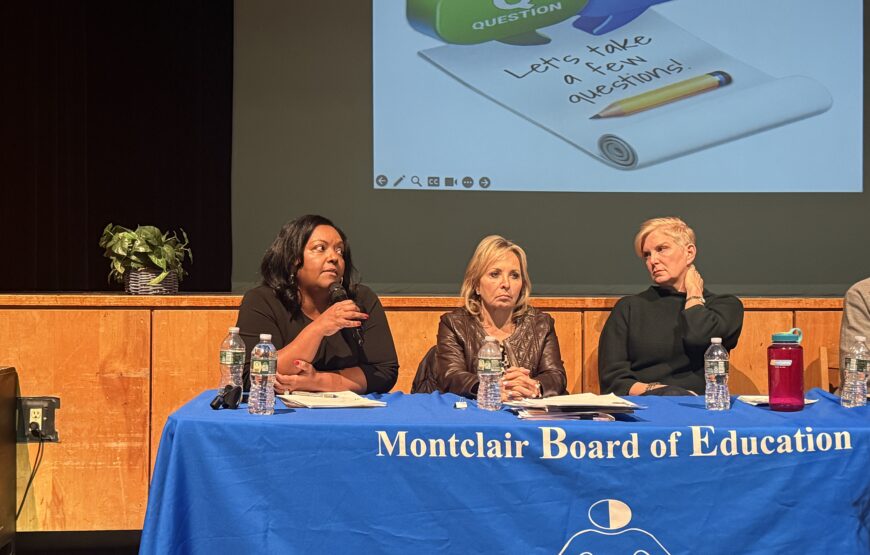
Montclair families head into the 2026-27 school year with real changes to track: freshman sports are staying, but the average home’s school tax bill is up nearly $2,000, transportation eligibility has tightened for younger students, and a new statewide phone law is still unresolved less than two months before the first bell. Here’s what’s actually different this year, not just a shopping list.
When Is the First Day of School in Montclair in 2026?
Montclair Public Schools students head back on September 3, the first day of a 183-day calendar approved by the Board of Education, which also gives staff 187 working days and closes the district for all federal holidays. The last day of classes is set for June 22.
What’s Different About the Montclair Public Schools Calendar This Year?
The 2026-27 calendar closes school for Yom Kippur but not for Diwali or Eid al-Fitr, a decision Superintendent Ruth B. Turner defended to the school board in February. Turner said high staff absences on Yom Kippur would force the district to bring in substitute teachers at added cost, and that as superintendent her priority is maximizing days students are actually in school, closing only when a holiday would otherwise create a staffing hardship.
How Much More Will You Pay in School Taxes This Year?
The average Montclair home sees a combined tax increase of about $1,968 this year, and it comes from two separate votes worth keeping straight. In the March referendum, voters approved a one-time $12.6 million levy and rejected a permanent $5 million annual increase. Separately, in the Board of Education’s May 6 budget vote, taxes rose another $851, not from anything voters decided, but through a healthcare waiver that lets the district exceed the state’s 2% levy cap when insurance costs outpace it. That $851 increase is now part of the district’s permanent tax base going forward. Whether the district uses the same waiver again next year to raise taxes further is a separate, unresolved question, one that depends on health insurance costs each year. Turner has said the waiver wouldn’t have been needed if the referendum’s permanent increase had passed, and that the district banked $1.2 million to $1.3 million of what it could have taken rather than using the full amount.
There’s some relief on timing for the one-time levy: the township plans to borrow $6.3 million short-term through tax anticipation notes so the $12.6 million is spread across four quarterly tax bills instead of hitting homeowners all at once. The township expects to pay about $198,800 in interest on that borrowing.
The Board of Education unanimously approved the $179.8 million budget on May 6, closing out the district’s deficit to roughly $350,000, which is expected to clear once outstanding health care rebates come through. Administrators had planned to eliminate 36 positions, most of them faculty roles. Because a number of employees left voluntarily or were reassigned to open vacancies, the actual layoff count dropped to 16.
That fiscal picture kept improving over the summer. At the August 5 board meeting, Turner announced the district expects to close the 2025-26 fiscal year with a positive unreserved fund balance of about $1 million, a reversal from the $12.7 million deficit reported in the district’s June 30, 2025, audit. Read the full breakdown of that meeting here. The same August 5 meeting delivered on a promise the district had been sitting on for months: the board voted to hire the accounting firm EisnerAmper for up to $250,000 to conduct a forensic audit into how the deficit built up in the first place, an investigation residents have been requesting since last fall.
Freshman sports are staying. As part of a $257,000 cut to sports, clubs and extracurricular programs for 2026-27, the district had planned to eliminate freshman sports entirely and cut $176,000 from the athletic department budget, affecting coaching positions, away game travel and event security. A newly formed parent-led nonprofit, the Montclair Athletics Blue and White Club, raised the full $176,000 by its June 1 deadline, announcing the win at Freshman Orientation Night in May. Freshman teams are confirmed to play this fall. The club is now fundraising toward a larger annual goal of $350,000 to build reserves and support athletics long-term.
One more building-level change: Renaissance at Rand Middle School has been repurposed into a pre-K site, part of the district’s cost-saving restructuring. The school’s former principal was assigned to a newly created role.
Did My Child’s Bus Eligibility Change This Year?
Possibly. The district raised the distance threshold for elementary and middle school busing from one mile to 1.25 miles, meaning some students who qualified last year may not automatically qualify this fall. High school eligibility is unchanged at 2.25 miles. That change, adopted as part of a package of budget reductions, was projected to save about $1.5 million from transportation costs, though the district’s total busing budget still rose to $33 million for the year.
Confirm your child’s status before September 3. Reach the Transportation Department at transportation@montclair.k12.nj.us with questions.
What’s the New Phone Policy for Montclair Schools in 2026-27?
Montclair’s plan is official. Superintendent Ruth B. Turner told families in an August 25 letter that personal devices, phones, smart watches, tablets and earbuds among them, must stay powered off and stored in a designated spot for the entire school day, replacing the old rule that let students keep a powered-off phone out of sight in a backpack or locker. Limited exceptions apply for things like an IEP, a 504 plan, translation needs or documented caregiving, requested through the building principal. Violations fall under Board Policy 2363 and the district’s Code of Conduct and Restorative Justice Practices.
Montclair High School has not released its building-level rules yet. Principal Jeffrey Freeman told the Pod the policy there will look different because of the school’s open campus, with more details coming from the central office. For the full picture, including how Montclair’s approach compares with the rest of the country, read our complete breakdown of the policy.
What Else Is Changing With School Technology This Fall?
Beyond phones, the district spent this year overhauling its technology, and one change already happened: on July 13, the district completed its move of student email, storage and logins from Google to Microsoft, retiring student Gmail. Students in kindergarten through fourth grade keep their existing password. Students in grades 5 through 12 need a one-time password reset before they can log back in. Families should also move any personal files sitting in Google Drive over to Microsoft OneDrive now, since files created or edited in Drive after July 13 will not carry over.
Chromebooks are being scaled back across the board: grades K-2 are limited to benchmark testing, grades 3-5 move to a shared cart-based model for project work, and grades 6-8 are capped at 20 minutes per course per week. YouTube will be blocked for students in kindergarten through eighth grade, and predictive text has already been removed from Google district-wide. A new parent portal, expected to launch with tutorials this summer, will give families more visibility into a child’s digital activity on district devices. Read our full breakdown of the district’s tech overhaul here.
The district is also rolling out LinkIt!, a new data platform funded by the Montclair Fund for Educational Excellence that pulls academic, attendance and behavior data into one system for teachers, with a family-facing dashboard planned down the line. And after a districtwide survey found that nearly seven in 10 high school students already use AI tools, the district says a formal AI policy is coming this year, along with more communication to families about what counts as acceptable AI use in schoolwork.
What Should Be on Every Montclair Family’s Back-to-School Checklist?
Immunization records and any required health forms should be in before the first day. If your child uses district busing, resubmit any Alternate Stops, Subscription Busing or Permission to Walk forms, these are voided every year and don’t carry over, and confirm your contact information is current on the Genesis Portal so you can receive text and email updates from the Transportation Department.
Lunch needs its own yearly paperwork too. The free/reduced lunch application has to be renewed every single year, last year’s approval does not carry over, and if a new application isn’t on file, the district switches a student’s status to full price in October. Apply through MySchoolApps or contact the district’s Food Services office with questions about your eligibility.
Cafeteria accounts run on a separate system: MySchoolBucks, worth setting up before the first week, especially with Sodexo now running food service districtwide after taking over in January. It’s worth checking more than once, too. The district has acknowledged billing errors and roughly $400,000 in unpaid lunch balances districtwide, some going back years. Check your account activity periodically rather than assuming it’s accurate by default, and flag anything that looks wrong to lunchbalance@montclair.k12.nj.us.
Where Can Montclair Families Get Support If This Feels Like a Lot to Track?
It is a lot, more than usual, and that’s a fair thing to feel. Turner herself has said the start of school is the part of the year she looks forward to most. “I honestly love back-to-school time,” she told the Pod last fall. “It is what I call our new year.” Your PTA council is the fastest way to get building-specific answers on busing, lunch accounts or supply lists, and Screen Aware Montclair remains a useful resource on how the phone policy plays out at your child’s school specifically.
For districtwide communication, the district also named Eshaya Draper its new communications director on August 5, with a mandate to make district updates more timely and transparent this year.
Two things that were genuinely unresolved earlier this year now have answers: the district’s long-stalled forensic audit finally moved forward on August 5, and the K-8 phone policy became official with Turner’s August 25 letter. The remaining open question is how the rule will work at Montclair High School specifically, given its open campus. We’ll update this once the district shares building-level details.