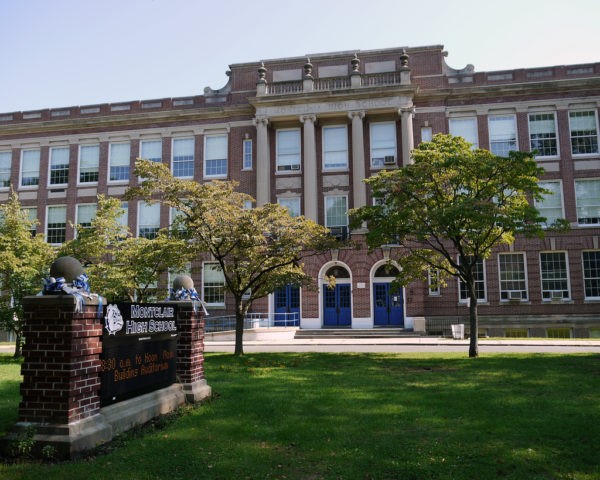
Montclair Public Schools is getting the investigation residents have demanded for more than a year. On August 5, the Board of Education voted unanimously to hire the accounting firm EisnerAmper to conduct the district’s long-awaited forensic audit, the outside investigation meant to trace exactly how the district’s finances collapsed in the first place. Getting here took well over a year.
Montclair School Board Approves Forensic Audit Into District Finances
The vote authorized up to $250,000 for EisnerAmper’s work, drawn from the district’s general fund, its main operating account. That is half of what the district originally set aside for the same job. EisnerAmper submitted a 50-page proposal on May 11, and board members reviewed it for nearly three months before the vote.
The firm is not new to this kind of work. According to Montclair Local’s reporting on the meeting, EisnerAmper has conducted investigative audits for Vernon Township, Millstone Township and Hillsborough Township school districts, all in New Jersey. That track record is part of why the board chose the firm over other bidders, though it does not guarantee the audit moves fast.
What Will EisnerAmper’s Forensic Audit Actually Investigate?
This is not a routine financial review. A forensic audit means investigators trace individual transactions and decisions, not just year end totals, looking for exactly where controls failed. EisnerAmper’s proposal says the firm will apply what it calls forensic discipline to payroll, food services, transportation and other spending areas where money moved without enough oversight to catch it.
Investigators will look at who approved which contracts, who signed off on unbudgeted hires, and whether anyone in the district’s finance office raised concerns that got ignored. Those are the questions Montclair families have been asking since the deficit first became public, and now a firm has a mandate to answer them.
What Could Complicate Montclair’s Forensic Audit?
The district has not offered a detailed public explanation for shrinking the audit’s budget from $500,000 to $250,000, and that gap is worth watching. What officials have said is more cautionary than reassuring: the audit could be complicated by the district’s history of disorganized record-keeping and the departure of several officials who worked in Montclair’s finance office during the years the deficit built up. In plain terms, some of the people who could explain what happened are no longer around to ask.
Dan Hafetz, founder of the Montclair Partnership for Accountability, Clarity and Trust, backed the board’s decision anyway. He told Montclair Local the audit is important for public trust. Whether a leaner budget and a thinner paper trail still add up to real answers is the question EisnerAmper now has to answer with its own work.
What’s Next, and What’s Still Unanswered
There is no public timeline yet for when EisnerAmper’s findings will be released. That leaves Montclair in a familiar position, waiting on an institution to explain itself more than a year after residents first asked for exactly this.
Superintendent Ruth B. Turner has said repeatedly that the district has found no evidence of fraud, describing the crisis instead as a pattern of poor accounting and unchecked spending. For residents who sat through layoffs, a contested referendum and a tax increase to get here, the accounting firm’s findings, whenever they arrive, will be the first outside verification of whether that explanation holds up.
The Board of Education’s meetings remain open for public comment. Check the district’s board meeting calendar for the next date.
Image credit: Montclair High School