Parents in Montclair are staring down a choice with no easy answers and very real consequences for classrooms, staff, and tax bills. Amid the debates across social media and dining room tables, a volunteer group calling itself Save Montclair Schools has stepped forward to argue for a path they say keeps control local and buys time to fix what is broken.
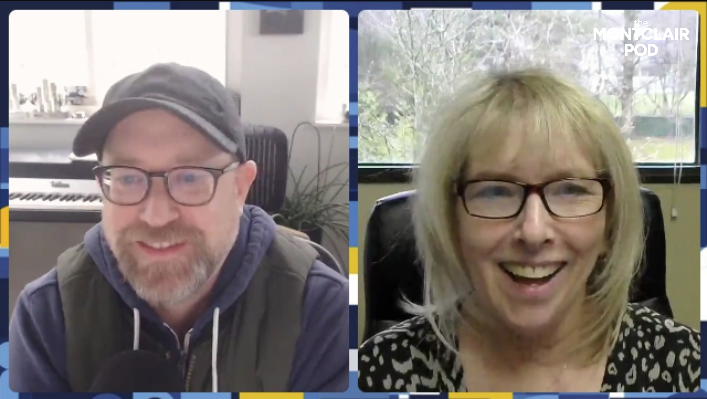
“When you vote yes on question one, we are voting to keep control. We can elect a Board of Education,” organizer Rich Reynics said in an interview with The Montclair Pod, adding that an elected board can hold leadership to public standards. He and fellow organizer Corey Pierson spoke about why their group is urging a Yes on both ballot questions.
The argument in their own words
Reynics and Pierson describe two imperfect options. One raises local revenue to cover a prior year deficit and this year’s shortfall. The other accepts a state loan that typically brings a state fiscal monitor with veto power over fiscal decisions. “The Yes vote gives us time to triage the situation and have those conversations in a considered, thoughtful, informed fashion,” Pierson said. Reynics warned that a monitor can override local preferences. He cited examples of midyear decisions, such as school closures and program cuts, that move quickly once a monitor is in place. “There is a tremendous amount of talent and energy and engagement in this town,” he said. “We should be the ones making the hard choices, in public, with a plan.”
Both organizers stressed timing. With the year already underway, much of the budget is committed. Cuts made now must be larger to hit the same targets. Some structural costs, like health care and transportation contracts, cannot be changed overnight. That is part of why they see Yes Yes as the least harmful route.
What the website adds
The group’s site, SaveMontclairSchools.com, is set up as a plain-English explainer for neighbors. It summarizes the two ballot questions, collects district documents, lists the administration’s suggested cuts, and offers simple tax impact examples for a range of households. It also describes how a forensic audit and upgraded financial systems could be funded if voters approve Question 2. A Community POV page features short letters from residents with a variety of concerns, from accountability to long term affordability. The site positions the group as parent run and independent, not affiliated with the district or any official campaign.
How they frame the tradeoffs
Reynics said a No vote would likely mean midyear layoffs, larger class sizes, and program reductions that the town has little ability to sequence or soften. He raised a longer horizon worry as well. “Suddenly, this no longer becomes a desirable place to work for educators. You start seeing good teachers leave for other districts. You start seeing the district struggling to attract new talent.” Pierson returned to the theme of community choice. In his view, Yes Yes allows the town to stabilize, investigate, and then set priorities with public input. “Voting yes does not mean everything is fine,” he said. “It means we still have to make the hard decisions together.”
How the group formed
Save Montclair Schools was truly a a community born effort, according to Pierson.
“There was a large number of parents who felt angry, felt frustrated, but who also felt a desire and a curiosity to really figure out what was going on and to really understand the choices in front of us,” he said. “Enough folks started coming together in that ad hoc, grassroots way that we realized there was a large contingent of folks who shared a mindset and a belief that if we inform everyone about what’s in front of us, it might lead to a path.”
From there, the aim was pretty straightforward. Collect the public information in one place. Translate the ballot questions into plain English. Model the possible tax impacts without spin. Then invite the town to read, react, and argue toward a decision. The website is the result. It serves as a clearinghouse for documents, a quick primer on the vote, and a standing invitation for neighbors to weigh in.
Reynics and Pierson are not promising an easy fix. The case they’re making is about agency and time: keep decisions in Montclair, do the accounting work to understand what went wrong, and then sort through priorities in public. Voters will make that choice on December 9.
- The Essentials of Estate Planning for Montclair Families
- Aging in Montclair: Community, Connection, and What It Means to Grow Older Today
- Sen. Andy Kim on Aging, Caregiving Costs, and How Families Are Feeling the Toll
- Montclair Council Approves 30-Year PILOT for Lackawanna Plaza
- What Is Lymphatic Drainage? Inside a Growing Wellness Trend in Montclair