In May, the township council voted four to two to limit building heights and density in a Fourth Ward neighborhood near Bloomfield Avenue. Mayor Renee Baskerville said she wanted less density in the area, citing parking and the impact taller buildings would have on the two-family homes nearby, according to The Montclair Local. The township’s master plan had already called for scaling back new construction on that stretch of Bloomfield Avenue — but from six stories to four, not to the three stories the council ultimately approved. Planning Director Janice Talley said the discrepancy was significant enough that the township sent special notice to affected property owners, since the new zoning was technically inconsistent with the master plan on the books. Montclair is now in the middle of a legally required master plan reexamination, and the meetings deciding its next decade are happening right now, one ward at a time.
What Montclair’s Master Plan Actually Decides
The master plan is the document that steers land use, housing, transportation and development across the township. It is why some blocks near Lackawanna Plaza can absorb 300 apartments and a supermarket while a residential pocket near Bloomfield Avenue gets capped at two-family homes. Most zoning fights, every variance hearing, every debate over what belongs where in this town traces back to this plan.
That is why the reexamination matters more than its bureaucratic name suggests. It is not a formality. It is the town deciding, again, what it wants to become.
Why Montclair Is Doing a Master Plan Reexamination Now
That stakes-setting power is exactly why state law does not let a master plan sit untouched forever. New Jersey requires every municipality to reexamine its master plan roughly every 10 years. Montclair’s last reexamination was in 2016, which makes this cycle overdue.
The Planning Board runs this process. It’s the same appointed body that reviews development applications for site plan and subdivision approval and recommends zoning changes to the township council, which means the group writing this report is the same one that will later apply it. Janice Talley, the township’s director of planning and community development, told Montclair Local the report exists to help the town “identify changes in the community and development arena.”
By law, the report has to cover specific ground: whether the problems the town flagged in 2016 got better or worse, whether current rules on housing density, population growth and traffic still match how Montclair actually functions today, and whether state or county policy on things like recycling or environmental rules has moved past what the local plan accounts for. Talley’s office will draft specific proposed changes to the master plan or the zoning code if the reexamination turns any up.
Those meetings started this month, and three are still ahead of you.
Where the Remaining Meetings Are Happening
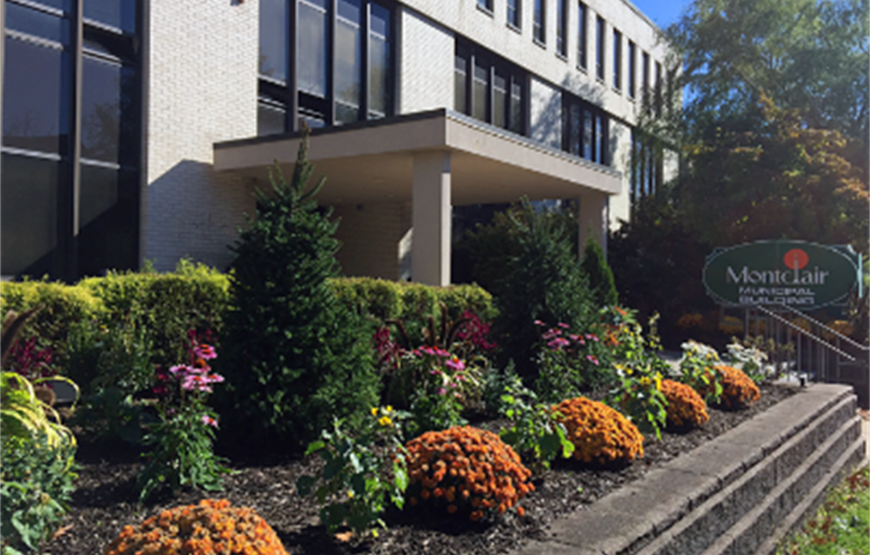
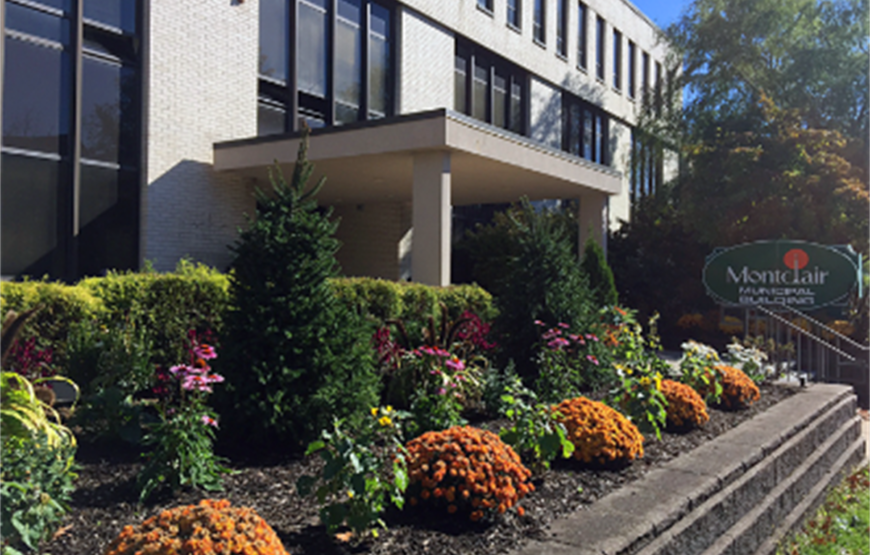
The Third Ward meeting already took place, on July 15 at the Montclair Municipal Building, 205 Claremont Ave. The other three follow this schedule:
- July 22: Second Ward, Edgemont Park House, 290 Valley Road.
- July 29: Fourth Ward, Montclair Fire Headquarters, 1 Pine St.
- Aug. 5: First Ward, Bellevue Branch Library, 185 Bellevue Ave.
You do not need to live in a given ward to attend its meeting. Each session covers the same ground: an overview of the 2016 report, a look at what the township is already noticing ahead of the 2026 update, then an open floor for comment.
Show up to whichever one fits your schedule. What you say in that room becomes part of the record the Planning Board actually reads.
What Happens After the Public Weighs In
Once the comment period closes, everything gathered across the four meetings gets folded into a draft 2026 Reexamination Report, which goes to the Planning Board later this year for review and a public hearing. From there, the board adopts a final version that helps guide Montclair’s land-use and development decisions over the coming years.
Those recommendations do not stay on paper. The same planning framework influences redevelopment projects such as Lackawanna Plaza – although separate approvals, including its PILOT agreement, which helps finance the project – also play a role. It also influences the long-term priorities that guide how and where the township invests in infrastructure and public improvements. None of those decisions happen in a vacuum. They all flow from the vision residents are being asked to help shape right now.
Pick the meeting closest to you and put it on the calendar.
Image credit: Township of Montclair