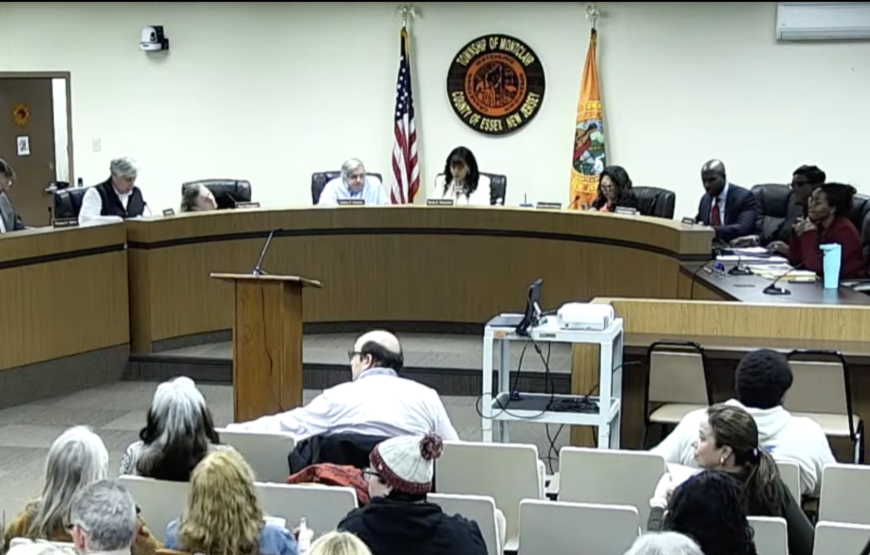
When Montclair’s health department has only one nurse available, residents who come in for a vaccine get turned away.
“We typically need two nurses to administer vaccines, to do home visits, to do any sort of clinics,” health officer and director Amy Monaco told township officials Nov. 9. “If we have to do a home visit, we need two nurses to go out for safety reasons. And if we don’t have two people available, we can’t do the home visit.”
Monaco’s plea for a full-time nurse was one of many staffing requests at the second round of department hearings for the Montclair 2027 budget. The first hearing on Nov. 2 laid out what is pushing costs up: health insurance, pensions and 3% union raises. State law caps increases in the property tax levy, the total the township raises from homeowners, at 2%. This hearing showed who absorbs the difference.
Township Manager Stephen Marks said his answer is to replace full-time workers with part-timers, who get no pension or health benefits, as people retire or leave.
“We don’t get the same level of service with part-timers at 28 hours per week rather than 35 hours per week, but there is a significant cost savings,” Marks said. “Every single new hire that we make, we have to make that calculation. Does this person have to be full-time or can we get away with part-time staff?”
The parking utility, which runs entirely on meter and permit revenue, already works that way: eight of its 11 enforcement officers are part-time. It just added four more part-timers, including overnight coverage between 2 and 5 a.m., and the director said drivers have noticed. “We’ve actually started to see a couple of people saying, ‘Oh, I used to park there all the time. I never got a ticket.’ And now all of a sudden I’m getting tickets.”
But not every department can make that trade.
Montclair Fire Department wants seven more firefighters and Station 3 back
Fire Chief Robert Duncan asked to grow the department from 70 firefighters to 77, part of a $12.7 million request that is mostly salaries. The target comes from the township’s 2025 operational review.
Overtime is the argument. The township cut minimum staffing to 14 firefighters per shift in March, and any vacation, injury or sick day that drops a shift below 14 means calling someone in on overtime. That line is budgeted at $1.32 million for 2027. Duncan said seven more firefighters would cut it by about $400,000.
“With more people staffing every day, it would reduce the need to call back firefighters to fill the vacant slots that are created,” he said.
The department also wants $900,000 to finish renovating Station 3, which serves the South End and closed for repairs in July 2023. A $200,000 state grant covers the rest. Reopening it would get firefighters to calls in that district about two minutes faster, according to the department.
Council members asked whether volunteers could help, as they do in Bloomfield. Fire officials said a resident corps trained for disaster support is close to launching, but warned against counting on volunteers to staff fire trucks.
“Volunteer firehouses are closing all over the country and the state,” Duncan said. “People have to work and, you know, in two-parent households, both of them are working.”
Montclair’s nurses and senior services are stretched thin
The health department lost a full-time nurse this year, and another is on leave. Monaco said part-time replacements are hard to find because many nurses already work hospital shifts. The director of nursing is expected to retire in a little over a year, and the nurse who left was her planned successor.
The job has also grown. Nurses carry more child lead-poisoning cases since the state lowered the blood-lead level that triggers an investigation. Several times a week, ambulance crews refer residents to them for follow-up, often involving hoarding, mental illness or seniors close to losing their housing.
“The nurses are doing a lot more social service work now,” Monaco said. The department has even considered dropping its childhood vaccine program.
Senior services, which Monaco also oversees, lost two full-time staffers and has cut program hours. Monaco asked to restore one position and to keep $175,000 for the county-run senior transportation service, which takes older residents to medical appointments and grocery stores. She called it “really a lifeline for some of the seniors.”
Mayor Renée Baskerville questioned two shared-service contracts, deals in which Montclair’s health staff work for neighboring towns for a fee. Cedar Grove pays close to $100,000 a year and West Caldwell about $61,000 for nursing. Figures read at the hearing suggested Montclair may spend more on the work than it collects.
“I’m all about charity. My whole life’s work has been about charity,” Baskerville said. “Then we need to understand that that’s what we’re doing.”
Monaco said the West Caldwell contract likely won’t continue and the Cedar Grove terms deserve a fresh look.
Other departments are taking a hard look at what they charge.
Ice time, pool badges and pet adoptions: fees Montclair may raise
Clary Anderson Arena, which must cover its own costs, expects to finish 2027 about $68,000 in the black before any rate increase. Kevin, the consultant running the rink, projected $923,000 in revenue next year, even with the arena paying its own PSE&G bill for the first time, about $15,000 a month.
Prime-time ice rents for $525 an hour and off-peak ice for $325. Montclair State University’s rink charges more than $700, he said.
“I think we’re well below the market,” he said. “I think with the improvements we’ve done at the arena and the improvements that we continue to do with the arena, we can certainly charge a lot more.”
He wants to raise rates in small yearly steps and hopes to bring a fee change to the council before the end of 2026.
The pools found new revenue this summer. Because Montclair has accepted money from Green Acres, the state program that funds parks and open space, it had to open its pools to non-residents. About 500 out-of-town families joined at $500, double the resident family rate. Recreation Director Garland Thornton said that number could double next summer.
“We didn’t know if we were going to see some capacity issues, but we didn’t have that issue this whole summer,” he said.
Animal shelter adoption fees, about $150, likely haven’t changed in 10 to 20 years, Monaco said. They’re next on her list.
What’s next for the Montclair 2027 budget and 205 Claremont
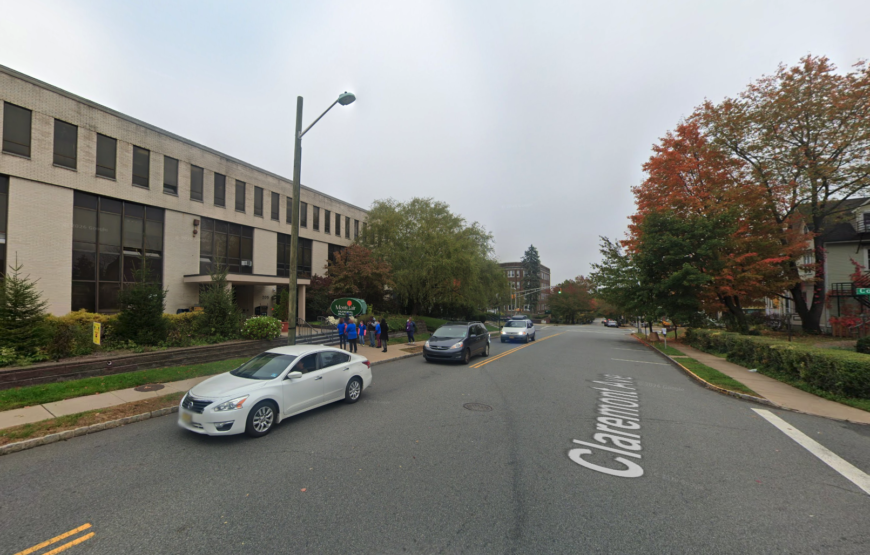
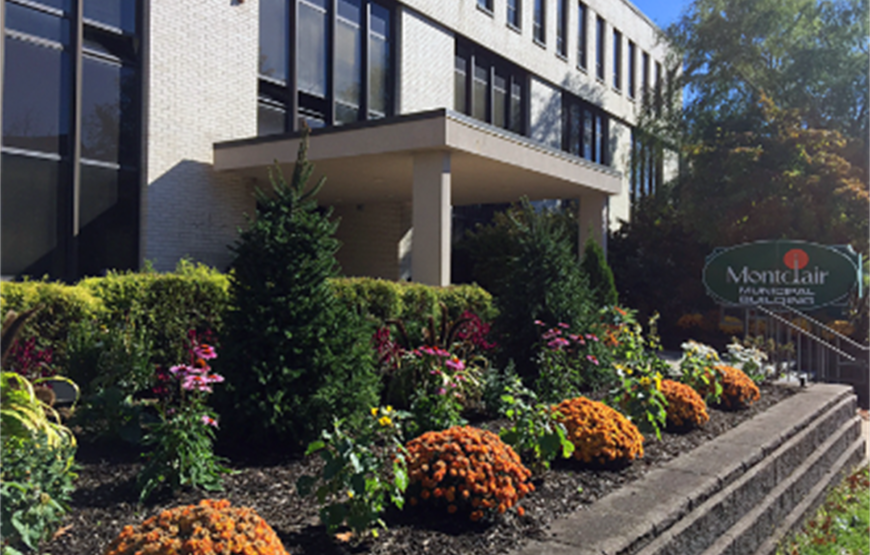
The municipal building at 205 Claremont Ave. needs a new roof, estimated last year at about $700,000. State and federal programs fund parks and roads, Marks said, not routine maintenance.
The roof is only the start. At the northwest corner, the curtain wall, the building’s glass-and-metal exterior, is pulling away from a floor slab. Rain leaks into the elevator shaft and can knock the elevator out for weeks, which Marks called a legal problem under the Americans with Disabilities Act. The building dates to 1969, and many windows are single-pane.
“Maintaining a building is not cheap and if you have deferred maintenance it only gets more expensive,” Marks said. “Unlike your own home, you can maybe manage some leaks with some buckets… to catch the water. This is a place of public habitation.”
He said a contract for architects and structural engineers to assess the building would go to the council Nov. 10. The council approved it that night, and Marks estimated about 90 days for the work. It’s the same building at the center of the PSE&G substation debate. That night, the council also voted 5-2 to table, indefinitely, a redevelopment plan that would have allowed a substation on the site.
Next, Marks will fold every department’s capital request, the big one-time costs such as roofs, trucks and computers, into a six-year plan for the mayor, council and planning board. The budget is typically introduced in late March or early April, and a public hearing follows before adoption.
By spring, seven firefighters, one nurse, a new rink rate and a leaking roof will all be competing for room under the same 2% cap.
Residents get a say in how that plays out. Both department hearings are on the township’s YouTube channel. Bring questions to your council member now, while departments’ requests are still being weighed, and comment at the public budget hearing once the budget is introduced.