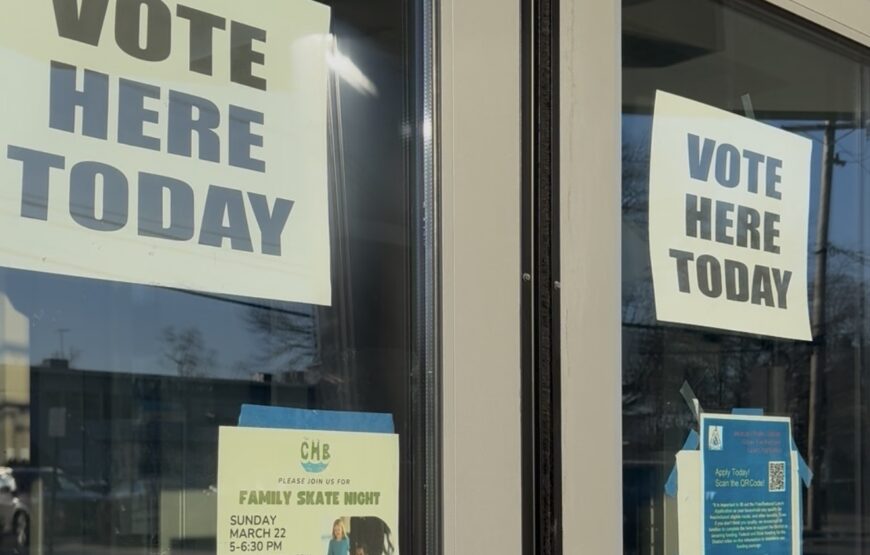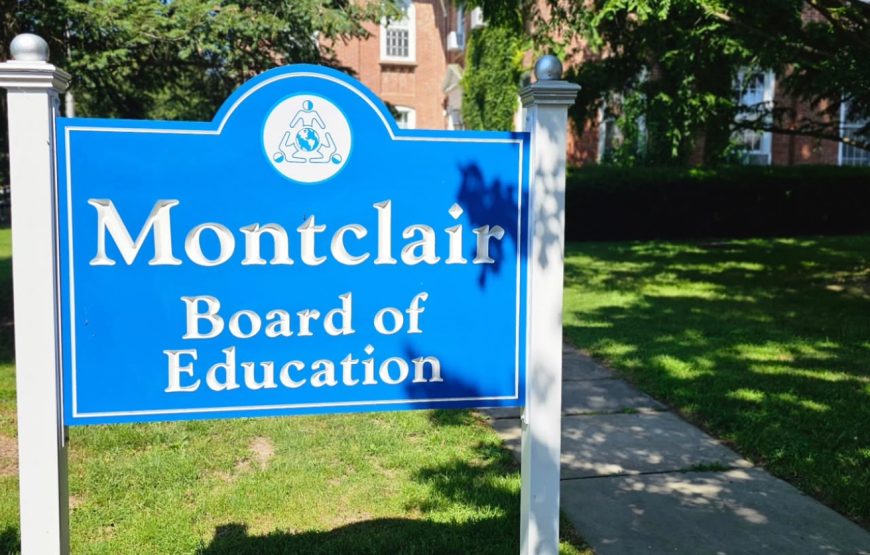
Montclair’s upcoming school funding referendum will not move forward as planned. A Superior Court judge ruled Tuesday that the two questions the district planned to put before voters on December 9 were written in a way that made them too difficult for the average voter to interpret.
Judge Robert H. Gardner issued an order stopping the election, saying the district’s ballot language lacked the clarity required under state law.
Judge: Questions “Not Clear Enough” for Voters
During Tuesday’s hearing in Newark, Gardner told attorneys that his concern was not the district’s need for revenue, but the wording itself. He said the phrasing was “not clear enough” and could cause voters “to walk away believing they approved or rejected something different from what was intended.”
The challenge was brought by Montclair resident Carl J. Kraus, who argued that the questions did not adequately make clear that the proposals involved additional tax levies layered on top of the existing property-tax structure. [See Kraus’ suit here.]
Gardner agreed, stating the wording left too much room for interpretation and therefore could not appear on a ballot.
What the Ballot Questions Looked Like
The questions were drafted to address the district’s approximately 19.6 million dollar two-year funding shortfall. Based on the district’s filings and the descriptions submitted to the court, the proposed questions included language similar to the following:
Question 1:
Shall the Montclair Board of Education seek approval from the district’s legal voters to raise an additional $12,600,000 for the 2024-2025 school year as permitted under N.J.S.A. 18A:22-40? The funds will be used to cover a deficit from the 2024-25 school year. Approval of these taxes will result in a one-time increase to the district’s tax levy.
Question Number 2:
Shall the Montclair Board of Education seek approval from the district’s legal voters to raise an additional $7,600,000 for the 2025- 2026 school year as permitted under NJ.S.A. 18A:22-40? The various purposes, including but not limited to:
- Maintaining teachers and instructional assistants to avoid
increased class sizes and program elimination - Maintain security in schools
- Maintain facilities
- Maintain courtesy busing and protect the magnet school system
- Maintain circular, athletics, and extracurricular activities that
threaten to be eliminated - Conduct a forensic audit of the 2024-2025 financial records and
update the accounting software
These expenditures are in addition to those required to achieve the New Jersey Student Learning Standards. Approval of these taxes will result in a permanent increase to the district’s tax levy.
These formulations, as described in the court challenge, attempted to comply with statutory requirements for tax-levy questions but still drew criticism for not clearly stating the impact on taxpayers.
District: Delay Comes at a Difficult Time
The district argued in court that even if the language could be refined, the questions met the minimum legal threshold. The Board of Education’s attorney acknowledged the phrasing was “imperfect” but insisted it was still legally sufficient.
District officials also stressed the timing. More than 100 layoff notices have been issued for the current school year, and administrators say they are running out of ways to trim the budget without directly harming students.
Superintendent Ruth B. Turner issued a statement after the ruling:
“We respect the court’s decision. However, the need for stable funding has not changed. This ruling means the district must now weigh additional options to protect staff, educational programs, and student services.”
Turner noted that more than 1,700 mail-in ballots had already been submitted, and the district has already spent substantial sums printing ballots and preparing for the election.
Possible State Aid Advance Offers Temporary Relief
District leaders have said that the New Jersey Department of Education has indicated a willingness to consider providing Montclair with an advance on future state aid. Such an advance would help the district avoid immediate, severe cuts this year.
But taking the advance would reduce future aid allocations, potentially creating financial strain in later budgets.
Second Lawsuit Still Pending
A separate legal challenge filed by Montclair resident David Herron raises concerns about election procedures and alleged irregularities. Herron has not yet indicated whether he will continue with his case given that the referendum has now been removed from the December ballot.
Election Officially Canceled
Following Gardner’s order, the Essex County Board of Elections formally canceled the December 9 vote. The district remains responsible for the election-related expenses already incurred.
What Happens Next
The next possible date for a revised referendum would be March 2026, the next statewide school-election window. The Board of Education will have to redraft the questions, submit them for approval, and decide whether a March vote is feasible.
In the meantime, the district must determine whether to:
- Seek a state-aid advance,
- Implement further reductions this year,
- Prepare a revised referendum, or
- Combine several strategies.
District officials say time is short: staffing decisions for spring and planning for the next budget cycle typically begin in January.
Bottom Line for Montclair Residents
- The December 9 referendum is canceled.
- The district still faces a nearly 20 million dollar funding gap.
- A revised vote may be held in March.
- Short-term funding decisions must be made within weeks.