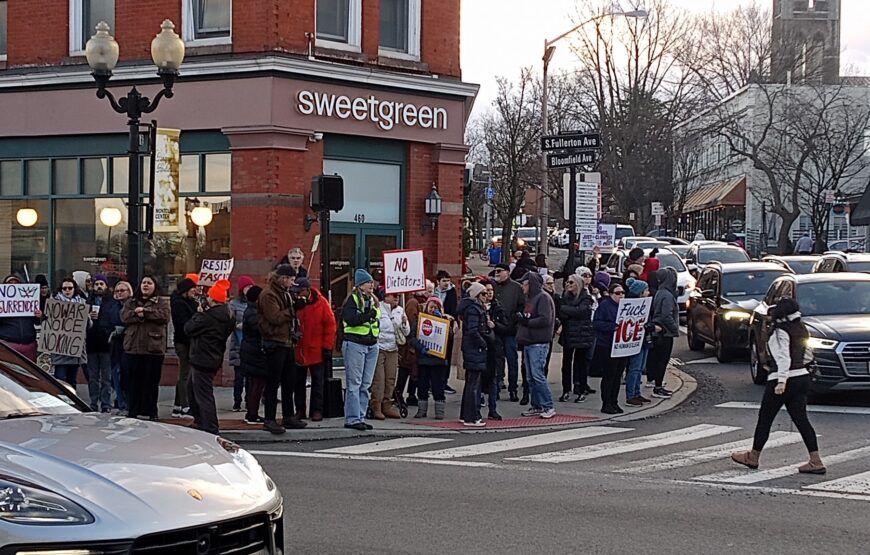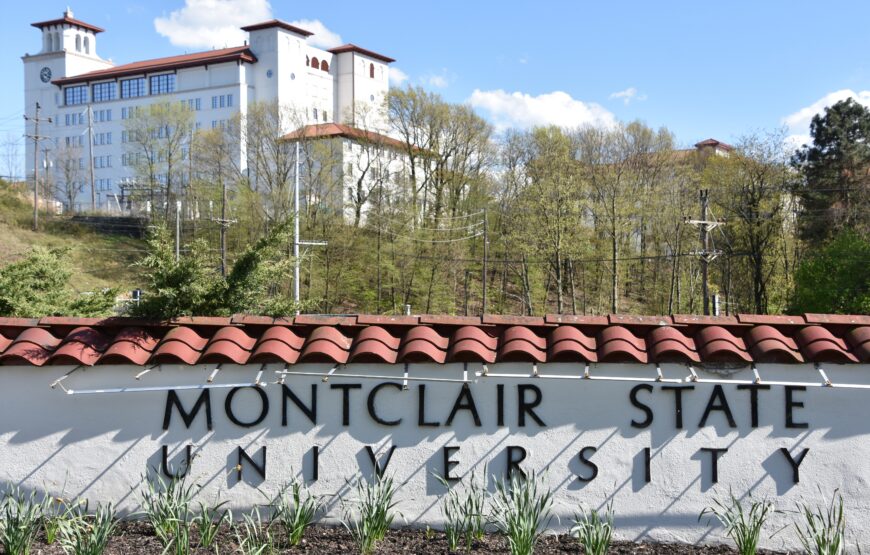
As tensions rise in town and across the US regarding immigration, we sat down with Dr. Jackie Vimo, an immigration law expert at Montclair State University, to understand the legal landscape and the anxiety students are facing on campus. Campus life at Montclair State University is marked by fear and confusion as students and families face uncertainty over immigration enforcement, with federal raids and shifting policies fueling concern.
Vimo highlighted the heightened anxiety among mixed-status families, where U.S.-born children live alongside parents without lawful status, amplifying the impact on students and their broader communities. She also emphasized the importance of knowing one’s legal rights and the steps families can take to stay safe amidst a climate of uncertainty.
🎧 The full conversation is available on this week’s episode of The Montclair Pod. Below is a summary of the interview.
Know Your rights
Immigrants and families still have constitutional protections, Vimo emphasized, even amid the fear and confusion surrounding ICE enforcement. The Fifth Amendment, she said, guarantees the right to remain silent, something often overlooked when individuals face officers with guns or intimidating authority. “A lot of the time, people are in a situation where they get scared and want to give explanations,” she explained, but even sharing seemingly harmless information, like the country of birth, can be used against someone in an immigration proceeding. She urged people to ask for an attorney and avoid signing anything, noting that documents offered by ICE are often deportation orders disguised as routine forms.
The Fourth Amendment also provides critical safeguards, Vimo said, protecting people from unreasonable searches and seizures in their homes. Any warrant must be signed by a judge, backed by probable cause, and limited in scope. She cautioned that ICE has increasingly used administrative warrants, signed only by officers and not reviewed by a judge, which do not carry the same legal weight. Families are advised not to open doors to law enforcement without a valid judicial warrant.
It’s important to know that warrant requirements do not apply in public spaces. For example, during a recent incident in Jersey City, ICE agents arrested individuals at a light rail station without a warrant, telling a councilman, “we don’t need a warrant, bro.” While technically accurate in public spaces, Vimo highlighted the importance of knowing the limits of enforcement powers to better protect oneself and one’s community.
Lawful Immigrants Navigating Fear
While Montclair is not officially a sanctuary city, it aligns with the goals of sanctuary policies, Vimo explained. Local law enforcement does not cooperate with federal immigration authorities because immigration violations are civil, not criminal. She emphasized that fear of immigration enforcement can prevent residents from reporting crimes, making clear divisions between federal and local law enforcement essential for public safety.
The conversation pivots to how ICE is targeting a broad range of immigrants, including those with lawful status. In some cases, past minor infractions, like a decades-old marijuana charge, are being used to reopen cases or revoke legal status. She urged anyone with prior law enforcement contact to consult an immigration attorney, highlighting the uncertainty and heightened risk that many immigrants now face.
Vimo warned that ICE actions have reached alarming extremes, including detaining and even deporting lawful green card holders and, in some cases, U.S. citizens to countries unfamiliar to them. She emphasized that even a single instance of a U.S. citizen being deported raises serious concerns about basic legal protections and highlights the risks facing immigrants who have lawful status.
On documentation, she advised that U.S. citizens do not need to carry a passport daily. Immigrants on visas are legally required to carry proof of status, while undocumented residents should carry a state-issued ID, such as a New Jersey driver’s license, rather than consular IDs. For those who have been in the U.S. for several years, keeping documentation of their presence can provide additional legal protection.
Staying Safe in Montclair: Resources for ICE Alerts
Montclair residents seeking protection or guidance regarding ICE activity have several local and regional resources to turn to. Rapid response networks, often organized through Signal threads, provide community-based alerts and support, while statewide organizations like the New Jersey Alliance for Immigrant Justice, the ACLU of New Jersey, Make the Road New Jersey, and the American Friends Service Committee offer legal guidance and coordinated assistance. Vimo emphasized that these networks are essential for helping families navigate anxiety and potential enforcement actions safely.
As helpful as these networks can be, misinformation is also very common in these systems. Reports of ICE sightings can often be false alarms, such as contractors or pedestrians being misidentified, and some official channels could potentially be manipulated. Despite potential federal pushback or lawsuits, Vimo stressed that state and local efforts to create resources, share verified information, and protect immigrant communities are both legal and necessary, highlighting the role of American federalism in defending local authority.