Somewhere in a research library on Orange Road, your house has a record. Not your house exactly, but the lot it sits on, the name of whoever lived there in 1923, perhaps whether they owned or rented, and who lived next door. Pull the right city directory off the shelf at the Montclair History Center and that’s what you find. It takes about 90 seconds, but there’s so much more to see.
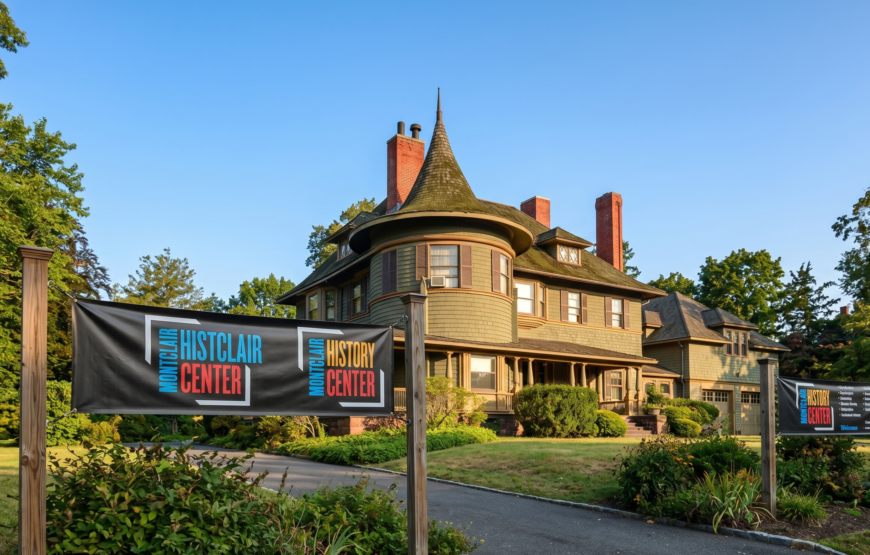
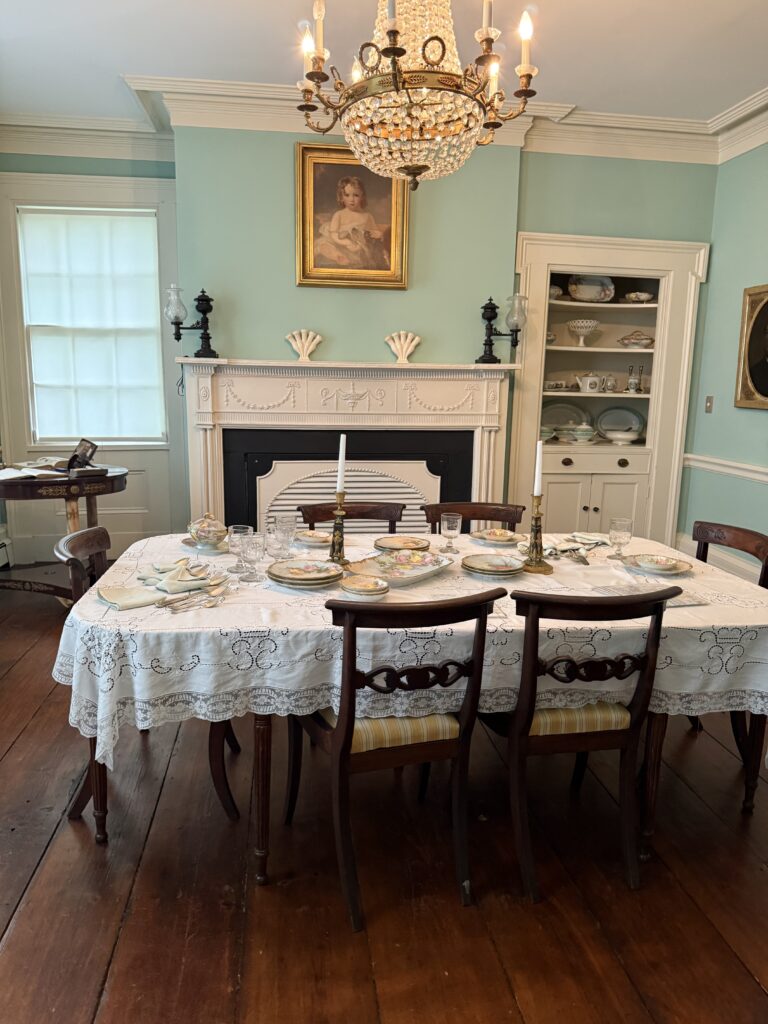
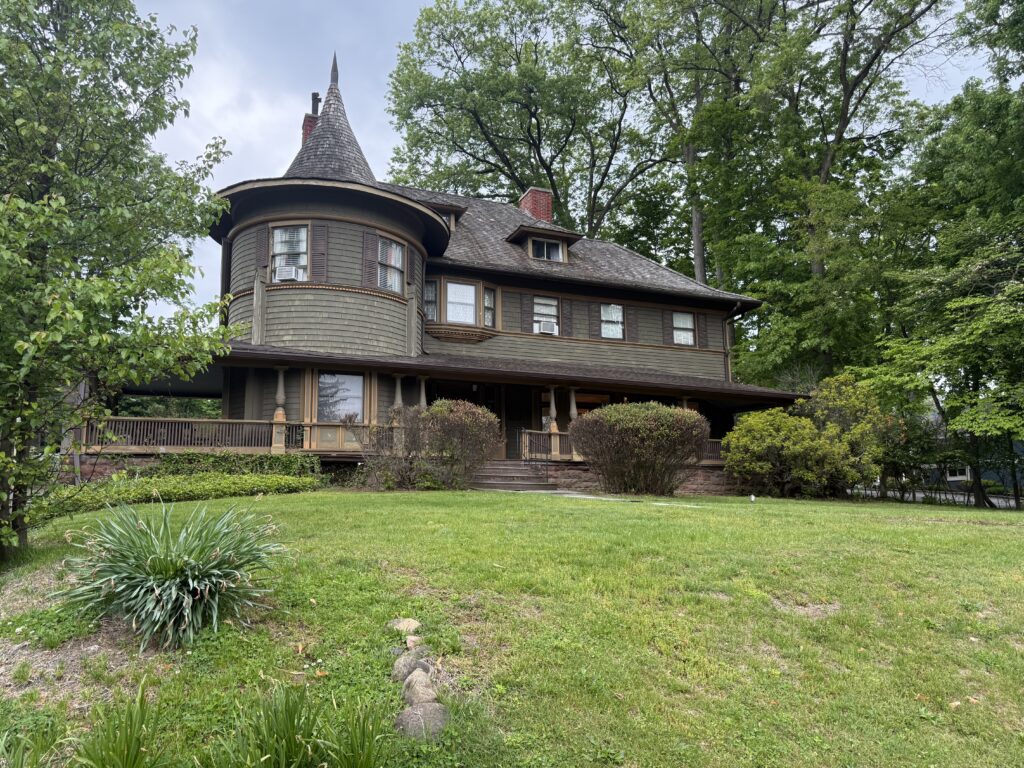
The center operates across three historic buildings on the same property at 108-110 Orange Road. The Clark House, built in 1894 as a physician’s office and family home, is now the research library and archives. The Nathaniel Crane House, built in 1818, serves as the visitor center, with a 19th-century general store on the first floor and a period schoolroom on the second. And the Israel Crane House, a Federal Revival mansion dating to 1796 and on the National Register of Historic Places since 1973, is the main museum.
Beyond the campus, the center’s online collections are free and searchable from home: historic photographs, antique maps dating to 1865, city and phone directories from 1870 through the 1990s, oral histories, deed records, school yearbooks, and archival finding aids covering everything from African American life in Montclair to World War II.
Angelica Diggs has been director for several years, first joining the staff almost 15 years ago in a part-time role, leaving for another museum, then coming back. She guided Farnoosh and Mike through both the library and the Crane House museum in a recent episode, and the resulting tour moves through four rooms, four eras and at least one conversation about ghosts. “Dynamic and ever-changing,” Diggs said, when asked to describe Montclair’s history in a sentence. It’s a phrase that earns its keep before the first room is done.
The Clark House Research Library
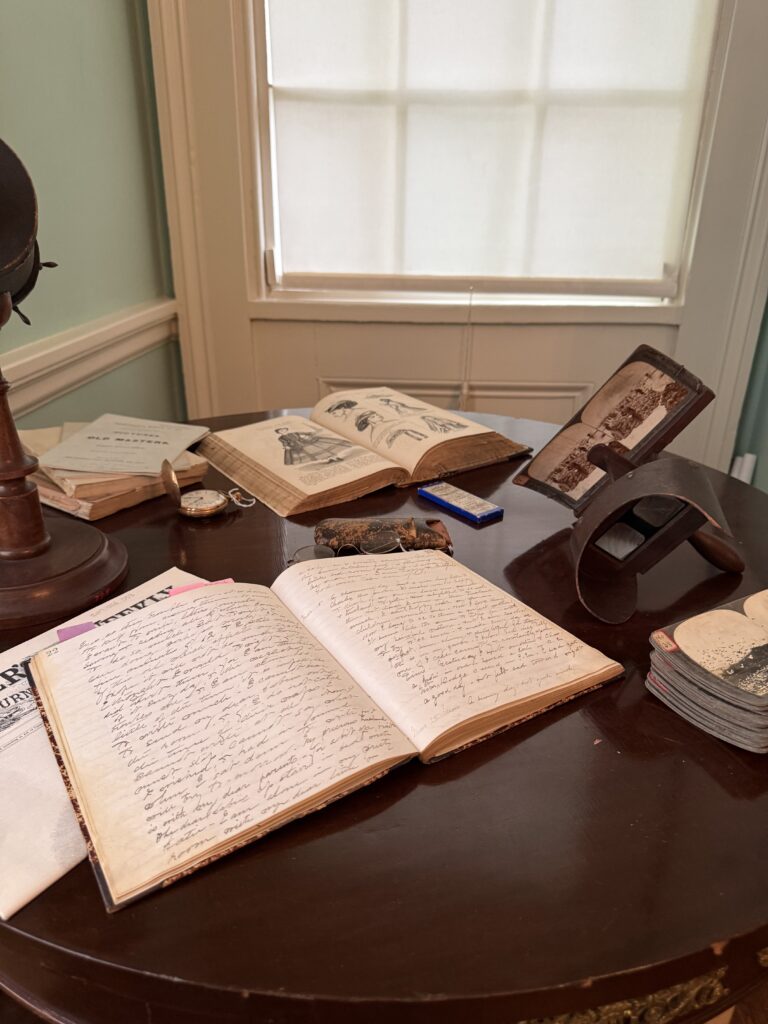
The Clark House is where you come to do research. City directories are the pre-digital equivalent of an address-by-address census: annual volumes listing who lived where, with occupations and, in many editions, abbreviations indicating ownership or rental status. They run through about 1970 and have been digitized in partnership with the Essex County public library, but there is something about the physical pages and deliberate handwriting of another era that a screen does not replicate.
During the visit, Farnoosh looked up her address in a 1923 directory. Diggs ran her finger down the column and found the entry: Henry Dunn,. “So you could follow that up with things like census record data on Ancestry or FamilySearch and then do a little poking into who’s Henry Dunn,” Diggs said. “That’s how you go from there.”
Mike tried his own address. The 1939 directory had no listing — his house, built in 1938, hadn’t been logged yet. He kept looking and eventually found it in the 1954 directory.
The Crane House, a few steps away, is where the history stops being archival and starts being immersive.
Four Rooms Inside the Crane House Museum
The Israel Crane House has 10 rooms. The current museum occupies four of them, each covering a distinct era, with a second phase pending grant funding for the upper floor.
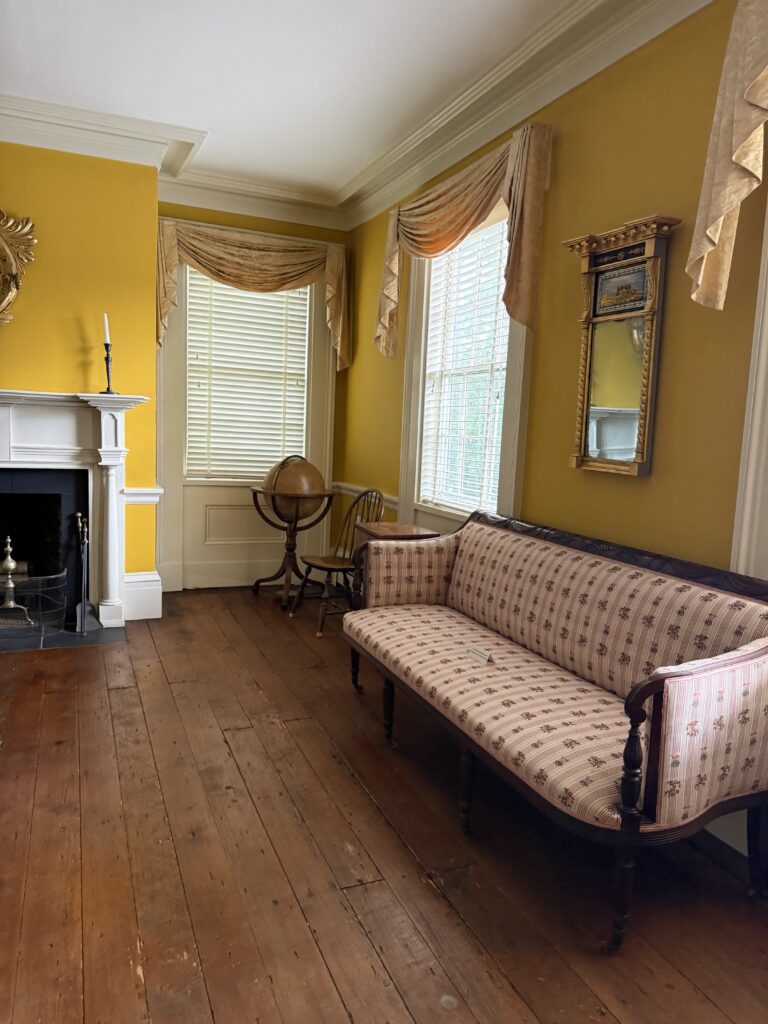
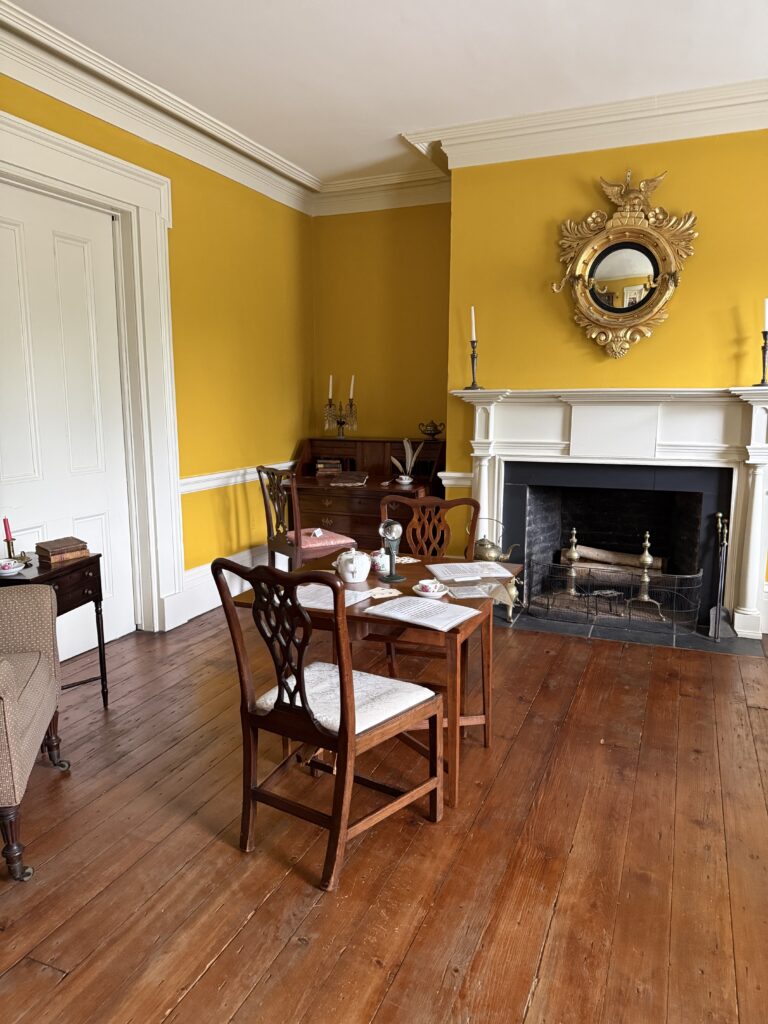
The first room covers 1796 to 1830: the Crane family, the English settlement of the area and, without softening it, Montclair’s history of enslavement. “Montclair has enslavement history, as did all of New Jersey,” Diggs said. “We talk about that with documents.” The furnishings are period-appropriate, the wall color historically accurate. That last detail, Diggs noted, is the single most common question visitors ask.
The second room moves to 1840 through 1900 and covers what she calls the era that made Montclair recognizable: the first railroad arriving at Lackawanna in 1856, mass immigration from overseas and the beginning of the Great Migration, the decades-long movement of Black Americans from the South to northern cities, into Montclair. “This room really reflects how Montclair became the Montclair we know today,” Diggs said.
The third and fourth rooms are where the tour changes register entirely.
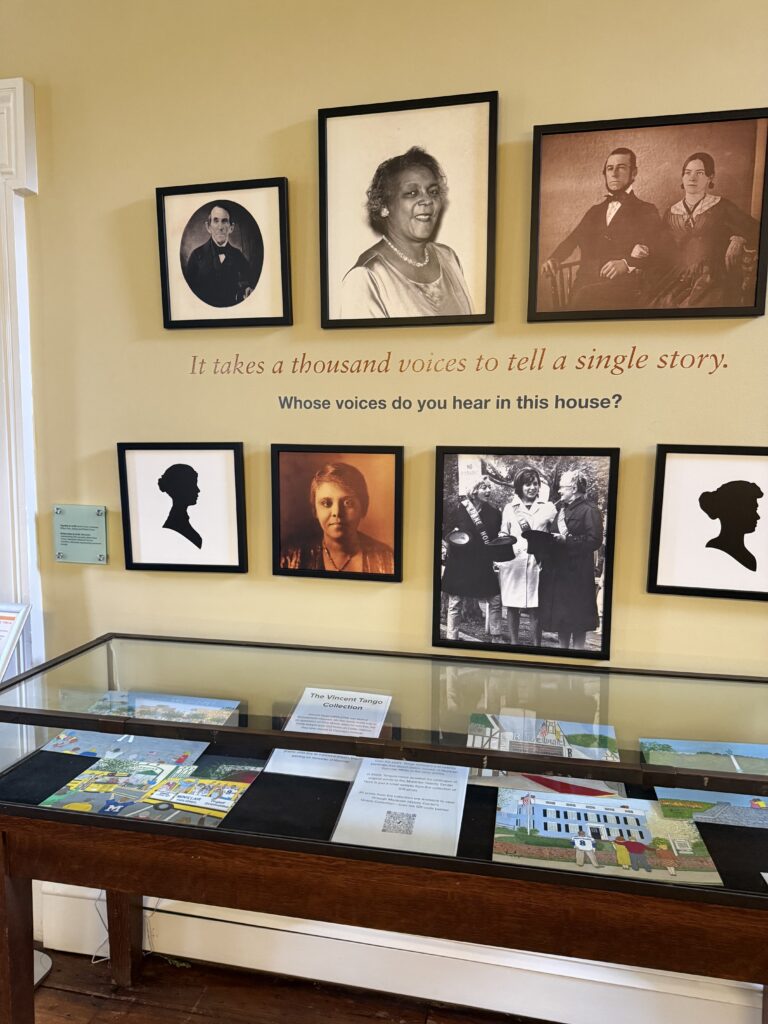
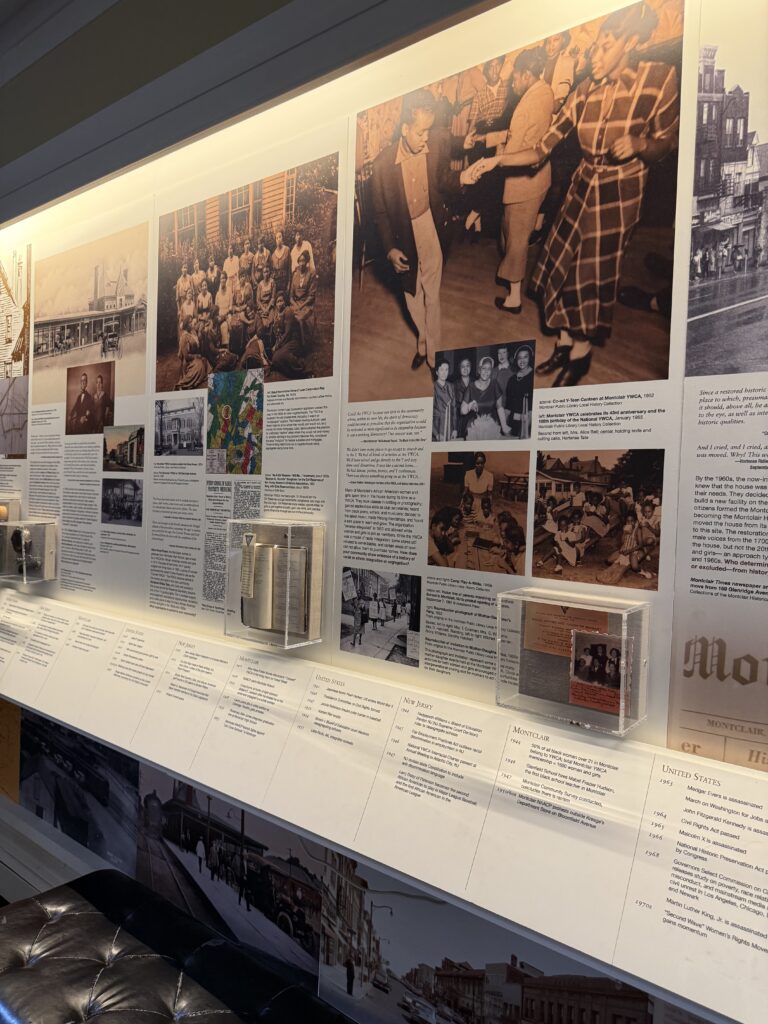
The Women Who Built Montclair’s Segregated YWCA
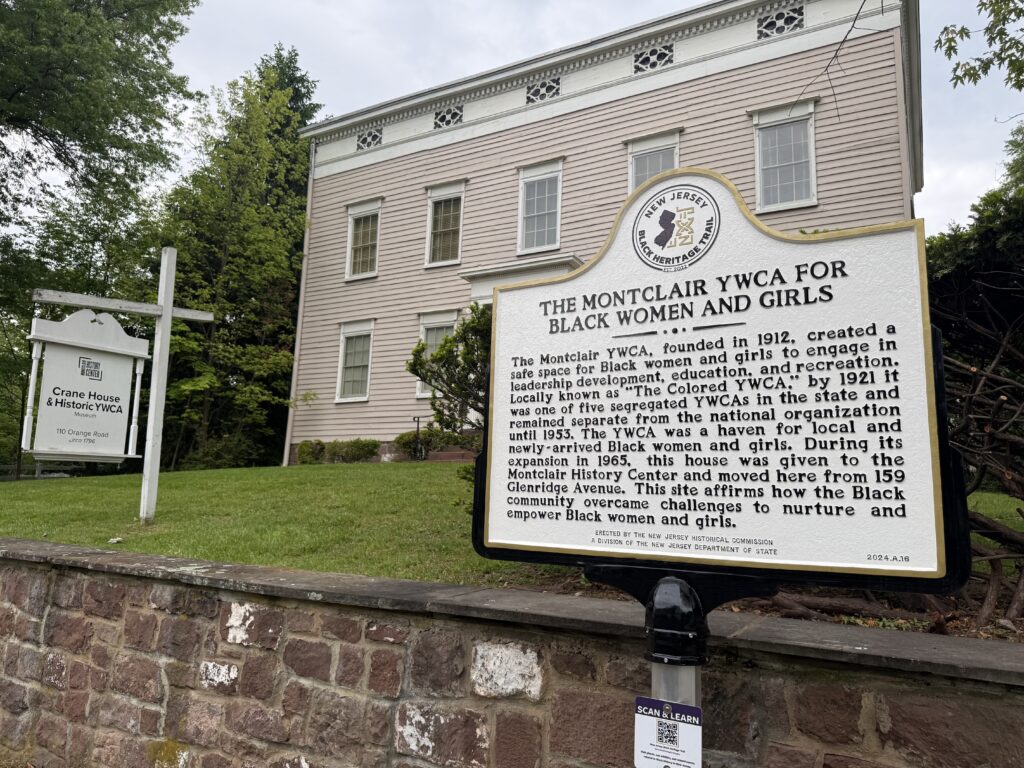
In 1912, Alice Hooe Foster, the first African American woman to graduate from Montclair High School, founded a local YWCA chapter. She did it without the national organization’s blessing: protocol required a white chapter to exist in a city before a Black one could be established, but Montclair had no white YWCA. Of the roughly 50 YWCA chapters serving Black women nationally at the time, Montclair’s was the only one not affiliated with a white Y.
In 1920, the chapter purchased the Crane House at 159 Glen Ridge Avenue. Women lived there as paying boarders, many of them domestic workers new to Montclair who needed stable housing. A photograph from that year, displayed in the third room, shows what is believed to be the founding members at the moment they purchased the building.
The fourth room, the YWCA’s club room from 1940 to 1965, is the most tactile space in the museum. Visitors can sit on the sofa, flip through copies of Jet and Ebony from the 1950s, type on the original typewriter or start up the record player. The center reproduced the wallpaper directly from a photograph taken in this exact room. “That’s how you know, recent enough the history, that we really can give a true feel to what it was like,” Diggs said.
The YWCA used the house for 45 years. In 1965, when the organization needed more space and planned to demolish the structure, a group of residents arranged to move it roughly one mile to its current location. The Montclair Historical Society formed out of that effort. A 2014 documentary, “A Place to Become: Montclair through the Eyes of the Glenridge Avenue YWCA Women (1920-1965),” tells the story of the women who shaped this chapter of Montclair history.
The center has a full spring and summer calendar. On May 30, from 11:00 AM to 1:00 PM, Diggs is co-leading a walking tour of Montclair’s Little Italy history, alongside Donato DiGeronimo, described by Diggs as “Mr. Montclair of Italian history.” Summer farm camp runs in partnership with Montclair Community Farms from July 27 to August 21, for kids ages 6-12. (If you’re weighing options for the kids this summer, we put together a full guide to Montclair-area summer camps for 2026.) In the fall, the spooky story tours return. For the full calendar, visit montclairhistory.org/all-events.
If you have lived in Montclair for years and never made it to Orange Road, the museum alone is worth an afternoon. The research library is worth a return trip. And if you happen to be in the director’s office when the dog starts barking at the ceiling, that’s just part of the experience.
Montclair History Center Crane House Museum: 110 Orange Road, Montclair, N.J. Clark House Research Library: 108 Orange Road, Montclair, N.J. Research appointments and drop-in visits welcome. Upcoming events and tour booking at montclairhistory.org. For more information, you can contact them at mail@montclairhistory.org or 973.744.1796
FAQ
Can the Montclair History Center really tell you who lived in your house decades ago?
Often, yes. The Clark House Research Library offers access to Montclair city directories dating back to the 1870s, deed records, maps, photographs, oral histories, yearbooks, and archival collections that can help people research their home, neighborhood, or family history. Visitors can do their own research onsite, explore parts of the collection online, or request research assistance and house-history services from the center
What makes the Montclair History Center different from a typical local-history museum?
The center spans three preserved historic buildings covering more than 200 years of Montclair history, from an 18th-century mansion to a recreated 19th-century schoolroom and general store to a research library filled with original archives. The museum also explores subjects many local-history sites avoid, including enslavement in New Jersey, segregation, immigration, and the history of Montclair’s Black YWCA.
Did the Crane House always sit on Orange Road?
No. It was originally built on what is now Glen Ridge Avenue, about one mile away. In 1965, a group of Montclair residents arranged to physically move the structure to its current location rather than let it be demolished.
Is the Montclair History Center only for history enthusiasts?
Not really. Beyond museum tours, the center hosts walking tours, farm camp, gardening and cooking programs, seasonal events, school visits, genealogy research, and community history projects. Many visitors come simply to learn more about their own neighborhood, house, or family history in Montclair.